Have you ever felt trapped or suffocated in a relationship that seems to drain your energy and happiness? If this sounds familiar, you may be experiencing a toxic relationship. It’s a tough reality, but it’s extremely common. And if you’re reading this right now, it means you’ve already taken the first and most important step: recognizing that something is wrong.
Healthy relationships should bring joy, mutual support, and growth. But when it comes to toxic relationships, the opposite happens. Instead of feeling loved and valued, you feel worn down, exhausted, and confused. Knowing how to identify the signs and finding the courage to leave a toxic relationship can save your mental and emotional health — and transform your life forever.
What is a Toxic Relationship?
A toxic relationship is characterized by harmful patterns of behavior where one person dominates, controls, or devalues the other. This can happen in any type of relationship — romantic, familial, or even friendships. The key aspect of a toxic relationship is the imbalance of power, where one party manipulates, abuses, or emotionally drains the other, leading to a vicious cycle of pain and confusion.
Signs of a toxic relationship include:
- Emotional manipulation
- Gaslighting (when your partner makes you doubt your own reality)
- Controlling behavior
- Social isolation
- Verbal attacks or humiliation
- Blaming you for all the relationship problems
- Abuse cycle: swings between affection and abuse
Why is It Hard to Recognize a Toxic Relationship?
Often, emotional manipulation starts subtly. The toxic partner may seem caring and attentive at first, but gradually begins to undermine your self-esteem, isolate you from friends and family, and make you feel guilty about small issues. Additionally, emotional dependence can make it difficult to end the relationship.
How the Abuse Cycle Works
The abuse cycle follows a pattern:
- Rising tension: Frequent arguments and constant criticism.
- Explosion: The crisis escalates into emotional or physical abuse.
- Reconciliation: The abusive partner apologizes and promises to change.
- Temporary calm: The relationship seems to improve, but soon the cycle starts again.

The Impact of a Toxic Relationship on Mental and Physical Health
Staying in an abusive relationship can have devastating consequences for your mental and physical health. Anxiety, depression, and emotional exhaustion are common, along with physical symptoms linked to chronic stress. The toxic relationship erodes your ability to trust yourself and others.
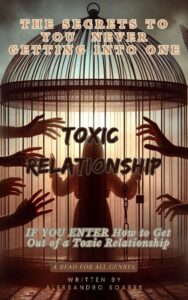
How to Break Free from a Toxic Relationship
Breaking free from an abusive relationship is difficult but possible. Strategies to escape include:
- Recognize the abuse: Admit to yourself that the relationship is harmful.
- Seek support: Friends, family, or therapy can be crucial.
- Set boundaries: Don’t allow your partner to keep controlling your emotions.
- Create an exit plan: Carefully plan your separation.
- Cut off contact: After leaving, avoid any form of contact with the partner.
- Focus on self-care: Self-care practices aid emotional recovery.
You Deserve to Be Happy
Breaking free from a toxic relationship may seem scary, but happiness is within your reach. You deserve love, respect, and joy. Every step toward emotional freedom is a step toward a more fulfilling life. Believe in yourself and choose your own happiness.
Deixe um comentário